Policy:
RECEIVING CONTROL
Effective receiving control methods minimize the risk of damaged, contaminated, or defective products entering the facility. The shipping/receiving operator carries out arrival checks. Please see “SOA_08.03.010” in trainings and posted by the receiving area. Staples/ metal pins/metal fasteners are not allowed with any kind of packaging that is received in the plant, please inspect for these and get a quality representative if material of packaging is sealed with metal pins, fastener, or staples. They will determine if this can be removed from sight or rejected. We do not allow staples in clean zones or staplers in the production area. Staples can, however, be used to attach a label to the wood part of the pallet.
Bag Material
-
Bag Material is received and inspected using the “Receiving System” where each pallet is assigned a “Raw Material pallet tag” and registered. It is also inspected according to SOA_08.02.010 Shipping Inspection.
-
Packaging material shall be stored in conditions that reduce the risk of contamination and deterioration.
-
Packaging materials must be stored with rolls individually covered on a designated pallet clearly marked and separate.
-
Any pallet in use needs to be stored in the raw material staging area and registered in use with the “Pallet Placement.”
-
When returned, pallet must always be updated with the latest location and quantity by using the “Pallet Placement”. Empty pallets must be registered in the same system with 0 quantity.
-
Overstock may be stored in the finished product or loading area as long as the pallet is wrapped.
Seasonings
-
Seasoning is received and inspected using the “Receiving System,” where each pallet is assigned a “Raw Material pallet tag” and registered. It is also inspected according to SOA_08.02.010 Shipping Inspection. Empty pallets must be registered in the same system with 0 quantity.
-
Seasonings shall be stored neatly and well organized, away from the risk of contamination, and well sealed.
-
Seasonings with different allergens must be stored separately. See “Allergens” later in this document.
-
The different seasonings must be stored on separate pallets, and pallets can not be shared with another seasoning.
-
All packaging needs to be well sealed so that no seasoning is exposed or leaks.
-
Any pallet in use needs to be stored in the raw material staging area and registered in use with the “Pallet Placement.”
-
When returned, pallet must always be updated with the latest location and quantity by using the “Pallet Placement”. Empty pallets must be registered in the same system with 0 quantity.
- Seasoning bags are opened with secured scissors to ensure bags aren't torn which could contaminate the product. Seasoning is the scooped out with stainless scoops and bags are not lifted above the seasoner to prevent contamination from outside of bag
-
Overstock may be stored in the finished product or loading area if sealed and wrapped.
RAW MATERIAL NOT BEING USED IN PRODUCTION NEEDS TO BE PUT IN THE RAW MATERIAL RETURN AREA
Allergens/Gluten Free Items
-
Raw materials containing allergens must be sealed and stored cautiously to prevent contamination of non-allergenic materials. A separation between the allergen/gluten-free and nonallergen seasonings is required, and allergens must be stored under nonallergen seasoning. Gluten-free seasonings are to be stored separately from non-gluten-free seasonings.
-
Allergen film must be stored in food-grade bags separate from nonallergen film.
-
Repackaging procedures with allergenic product are the same as for non-allergenic product: we work within the same batch, or use the repackaging protocol to ensure it is reworked into the correct product..
Boxes
-
Boxes are received and inspected using the “Receiving System,” where each pallet is assigned a “Raw Material pallet tag” and registered.
-
They are stored in the designated warehouse area with a maximum stacking height of 3.
-
Any pallet in use needs to be stored in the production area registered in use with the “Pallet Placement.”
-
When returned, pallet must always be updated with the latest location and quantity by using the “Pallet Placement”. Empty pallets must be registered in the same system with 0 quantity.
Pallets
-
Pallets are received and inspected using the “Receiving System,” where the total quantity received is registered.
-
It is also inspected according to SOA_08.02.010 Shipping Inspection. Pallets should be carefully inspected for pests before being brought into the facility.
-
Pallets and items on pallets should be stored off the floor when possible.
Potatoes
-
Potatoes can be received in bulk through refers or live bottoms. We use the “Receiving System,” where the total quantity received is registered.
-
Potato Receiving Protocol is followed and filled out, including inspection of equipment being used in unloading and recording the product's quality and temperature. This protocol must be used every time.
-
The potatoes are then stored in bulk bins or smaller bulk totes with posted placecard to identify the oil Lot #.
Oil
-
Oil can be received through totes or bulk “Receiving System” for any oil receiving.
-
When received in bulk, the Oil Receiving Protocol is followed and filled out, including inspection of equipment used and quantities in tanks before and after. This is to ensure quality, quantity, and traceability. An updated placard will then be posted to identify the oil Lot #.
-
During bulk oil unloading, one person must monitor this process closely to prevent any spills.
Kosher/Halal materials
Raw materials shall be Kosher certified to run on a Kosher Line.
-
Oil deliveries are verified by truck and trailer numbers, truck wash certificates, and seals before unloading.
-
The product will be quarantined if deviations are found.
-
Materials shall be labeled as Kosher/Halal with Certifying agency's appropriate symbol on the packaging.
-
Strict cleaning routines apply after producing a product containing milk. See risk analysis.
-
The finished product shall be appropriately Kosher/Halal labeled.
Chemicals
-
Only chemicals that have been approved are allowed in the factory. All chemicals shall have a valid Safety Data Sheet (SDS).
-
A monthly quality round by management will ensure that all secondary containers are correctly labeled and all on-site chemicals are in the approved chemical list.
-
In case of leaking or spilled chemicals upon arrival, place the package in a bucket or catch pan to prevent contamination of the surroundings, and check with the waste company on how to proceed.
-
Chemicals shall be handled by trained personnel only.
-
Food Grade lubricant shall be stored separately from other chemicals to prevent tainting.
-
All other chemicals shall be stored in a designated area (cabinet in the maintenance workshop or chemical container).
-
Chemical waste handling: see “Waste handling.”
Maintenance Material
-
Maintenance materials and components must be stored in the maintenance area or locked in cabinets. This is to prevent contamination in the production area.
-
All maintenance materials need to be neatly stored and organized and not lay on the floor, which would pose risks to pests.
Obsolete Materials
-
Any outdated materials that are not in use in production must be clearly labeled with quarantine labels. Details/notes about obsolete materials will be in the quarantine list.
-
FIFO will be followed when transitioning from old material to new material when approved by the customer.
-
One cutout of each bag material needs to be brought to quality for approval. They will then compare it to the latest approved design or design number.
Organic Potatoes (if applicable)
-
Organic potatoes can be received in bulk through refers or live bottoms. We use the “Receiving System,” where the total quantity received is registered.
-
Potato Receiving Protocol is followed and filled out, including inspection of equipment being used in unloading and recording the product's quality and temperature. This protocol must be used every time.
-
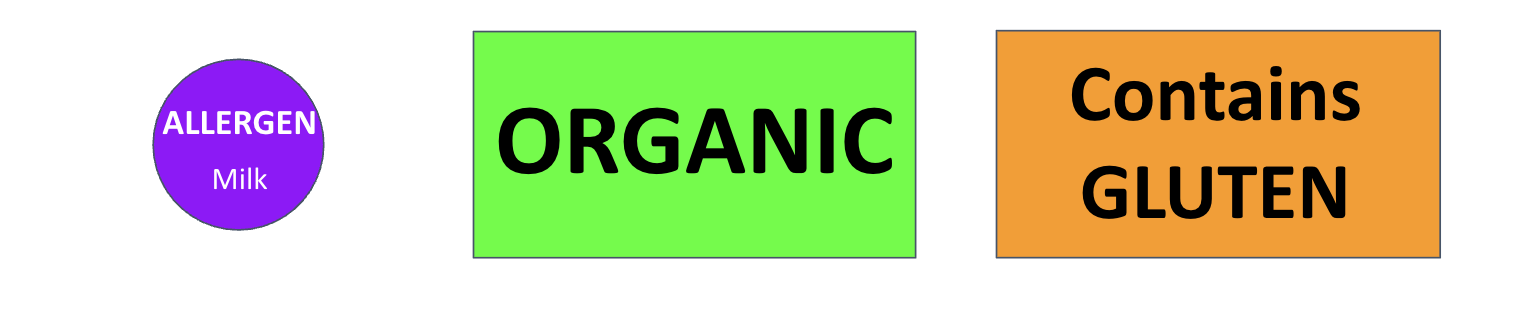
The potatoes are then stored in smaller bulk totes/bins with posted placecard to identify the oil Lot # and Green “Organic” sticker.
Organic Oil (if applicable)
Organic Seasonings (if applicable)
-
Organic seasoning is received and inspected using the “Receiving System,” where each pallet is assigned a “Raw Material pallet tag,” a green “Organic” sticker, and registered. It is also inspected according to SOA_08.02.010 Shipping Inspection. Empty pallets must be registered in the same system with 0 quantity.
-
Organic seasonings shall be stored neatly and well organized, away from the risk of contamination, and well sealed. Organic seasonings shall be stored in a designated area marked for Organic ingredients.
-
Organic seasonings with different allergens must be stored separately. See “Allergens” in this document.
-
The different organic seasonings must be stored on separate pallets, and pallets can not be shared with another seasoning.
-
All packaging needs to be well sealed so that no seasoning is exposed or leaks.
-
Any pallet in use needs to be stored in the raw material staging area and registered in use with the “Pallet Placement.”
-
When returned, pallet must always be updated with the latest location and quantity by using the “Pallet Placement”. Empty pallets must be registered in the same system with 0 quantity.
-
Overstock may be stored in the finished product or loading area if sealed, wrapped, and clearly marked Organic.
Gluten-Free Seasonings
-
Certified Gluten Free Seasoning is received and inspected according to using the “Receiving System” where each pallet is assigned a “Raw Material pallet tag”, (Orange) “Gluten Free” sticker, and registered. It is also inspected according to SOA_08.02.010 Shipping Inspection. Empty pallets must be registered in the same system with 0 quantity.
-
Certified gluten-free seasonings shall be stored neatly and well organized, away from the risk of contamination, and well sealed. Certified Gluten Free seasonings shall be stored in a designated storage area marked for Certified Gluten Free ingredients.
-
Certified gluten-free seasonings with different allergens must be stored separately; see “Allergens” in this document.
-
The different Certified Gluten Free seasonings must be stored on separate pallets, and pallets can not be shared with another seasoning.
-
All packaging needs to be well sealed so that no seasoning is exposed or leaks.
-
Any pallet in use needs to be stored in the raw material staging area and registered in use with the “Pallet Placement.”
-
When returned, the pallet must always be updated with the latest location and quantity by using the “Pallet Placement.” Empty pallets must be registered in the same system with 0 quantity.
-
Overstock may be stored in the finished product or loading area if they are sealed, wrap
|